
Planning a Destination Wedding in Cartagena: Venues, Timeline and Legal Requirements
A complete guide to a destination wedding in Cartagena, Colombia: venue styles, best season, a 12-month planning timeline, legal vs symbolic ceremonies for foreigners, guest experience and budget tips.
5 min read
By the Millan Experiences concierge team
In short
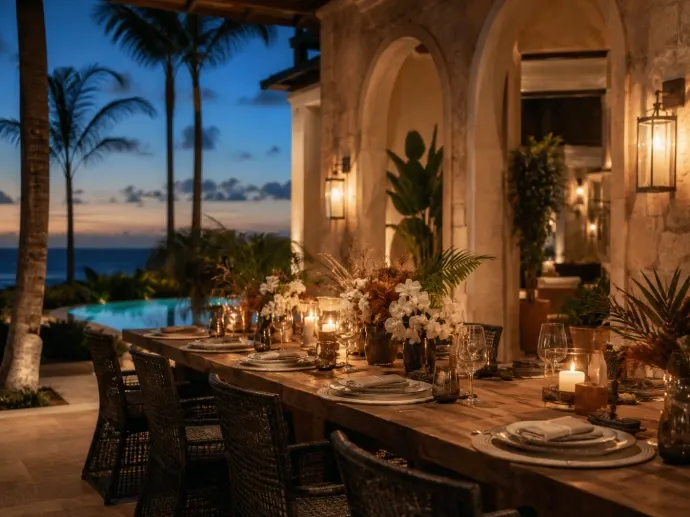
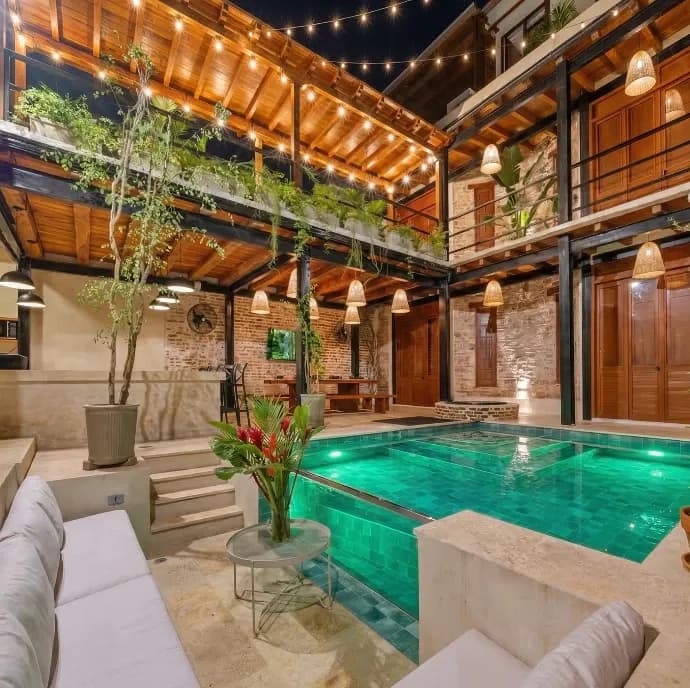
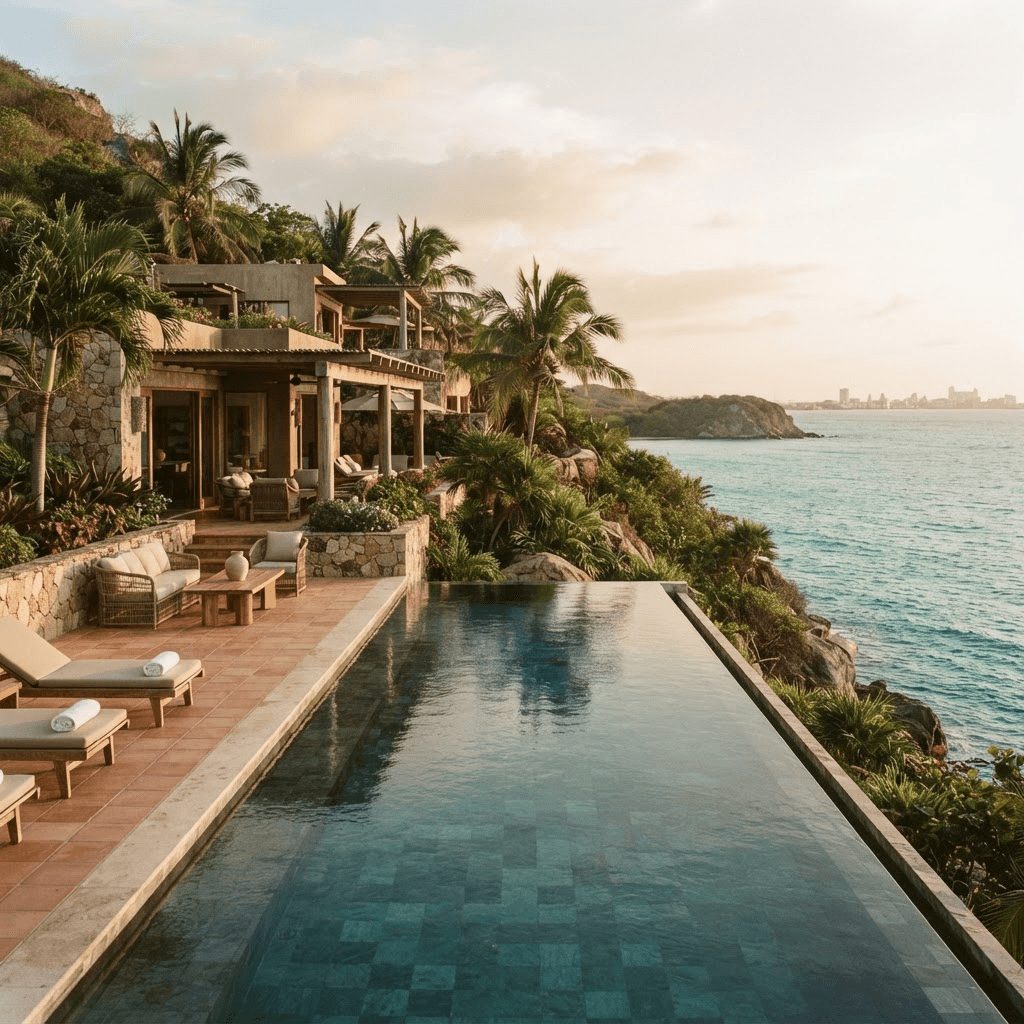
- Cartagena offers four signature wedding settings: colonial houses and courtyards in the Walled City, former convents and historic hotels, beachfront venues and private islands.
- Start planning 12 to 18 months ahead for peak dates (December to April and holiday weekends); key venues and guest rooms book early.
- Many international couples complete the legal marriage at home and hold a symbolic ceremony in Cartagena, which avoids document translation and apostille requirements.
- A civil wedding in Colombia is possible for foreigners through a notary, typically requiring apostilled and officially translated documents — confirm current requirements well in advance.
- Plan a full guest weekend — welcome drinks, a boat day, the wedding and a farewell brunch — and always prepare a rain plan.
Bougainvillea spilling over colonial balconies, candlelight on centuries-old stone, a sunset ceremony by the sea and a celebration that dances until dawn — Cartagena was made for weddings. It is one of the most romantic cities in the Americas and an increasingly popular choice for couples from the United States, Europe and across Latin America. This guide walks you through the decisions that matter most.
Why choose Cartagena for your destination wedding
- A UNESCO World Heritage setting: the historic port, fortress and monuments of Cartagena are a World Heritage Site, and its walled old town is one of the most beautiful in Latin America.
- Variety in one place: city, beach and island venues within an hour of each other.
- Warm weather all year: outdoor ceremonies and receptions are possible in every season.
- Accessible for guests: direct international flights and plenty of luxury villas and boutique hotels.
- World-class hospitality and value: exceptional food, music and design talent at a fraction of the cost of many destinations.
Wedding venue styles in Cartagena
Colonial houses and courtyards
Restored casonas in the Walled City offer intimate courtyards, fountains, arcades and rooftop terraces with views of domes and bell towers. They are ideal for weddings of 50 to 150 guests and pair beautifully with a calenda — a festive street procession with music and dancers.
Former convents and historic hotels
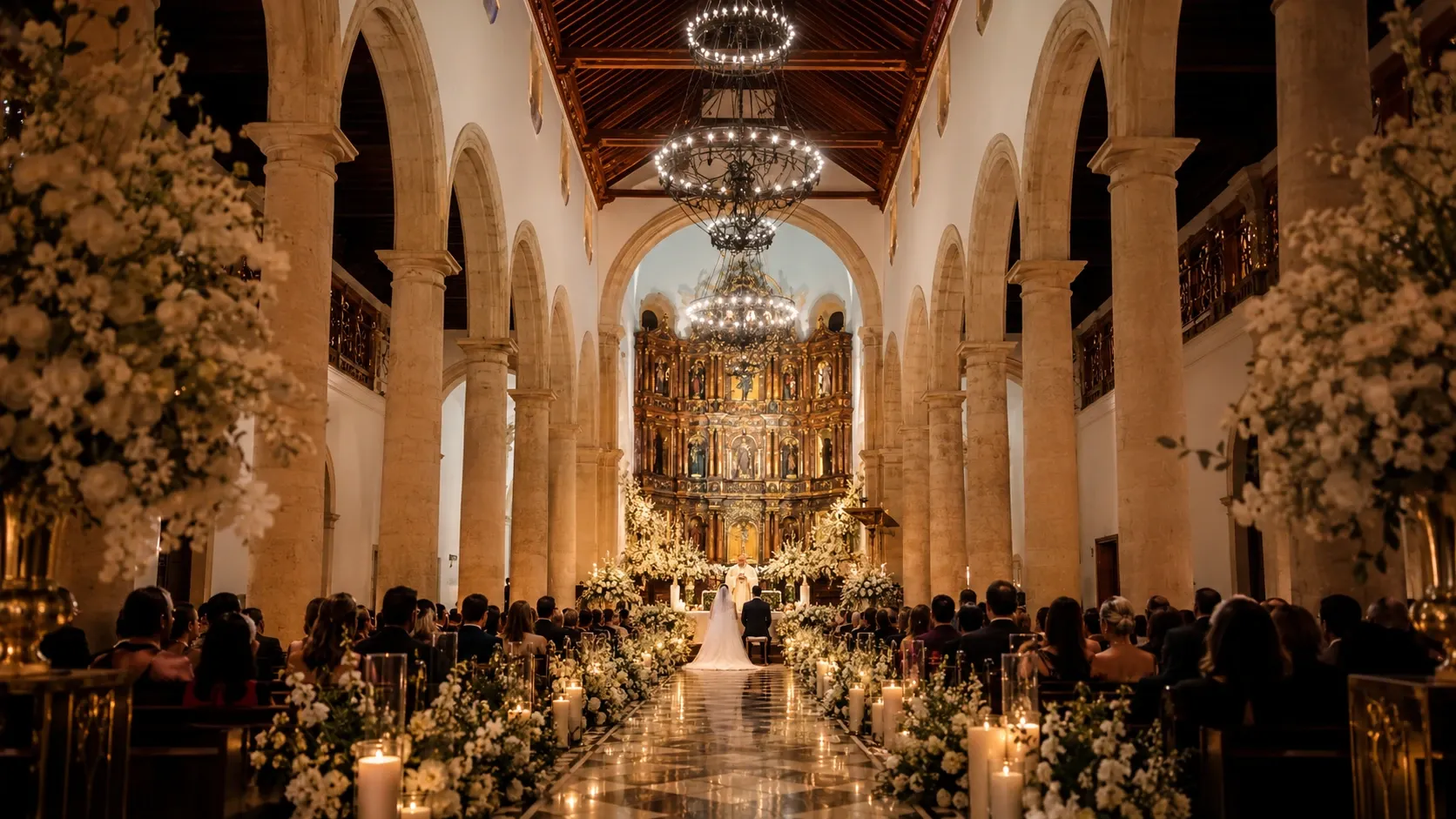
Several of the city's most elegant hotels occupy former convents and colonial mansions, with cloisters, chapels and grand halls that can host larger celebrations with full-service catering.
Beach and private island weddings
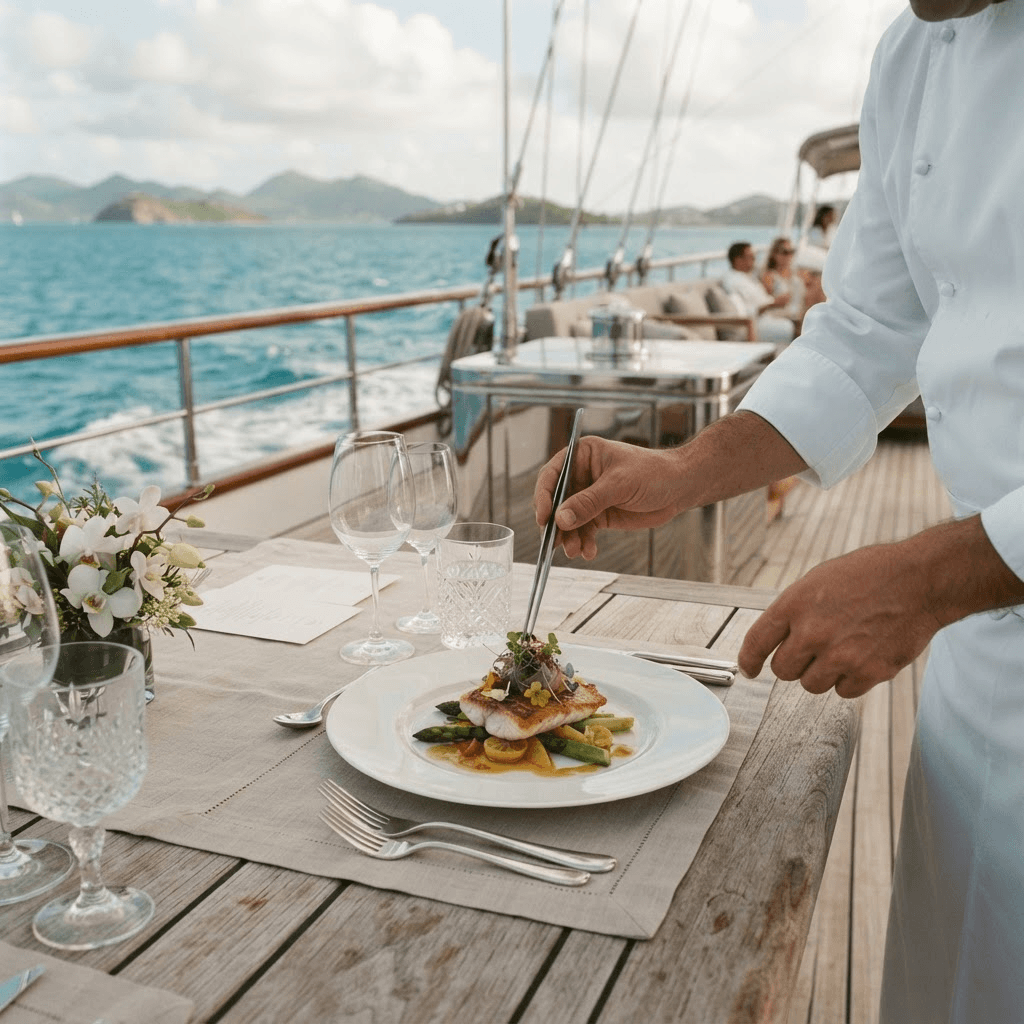
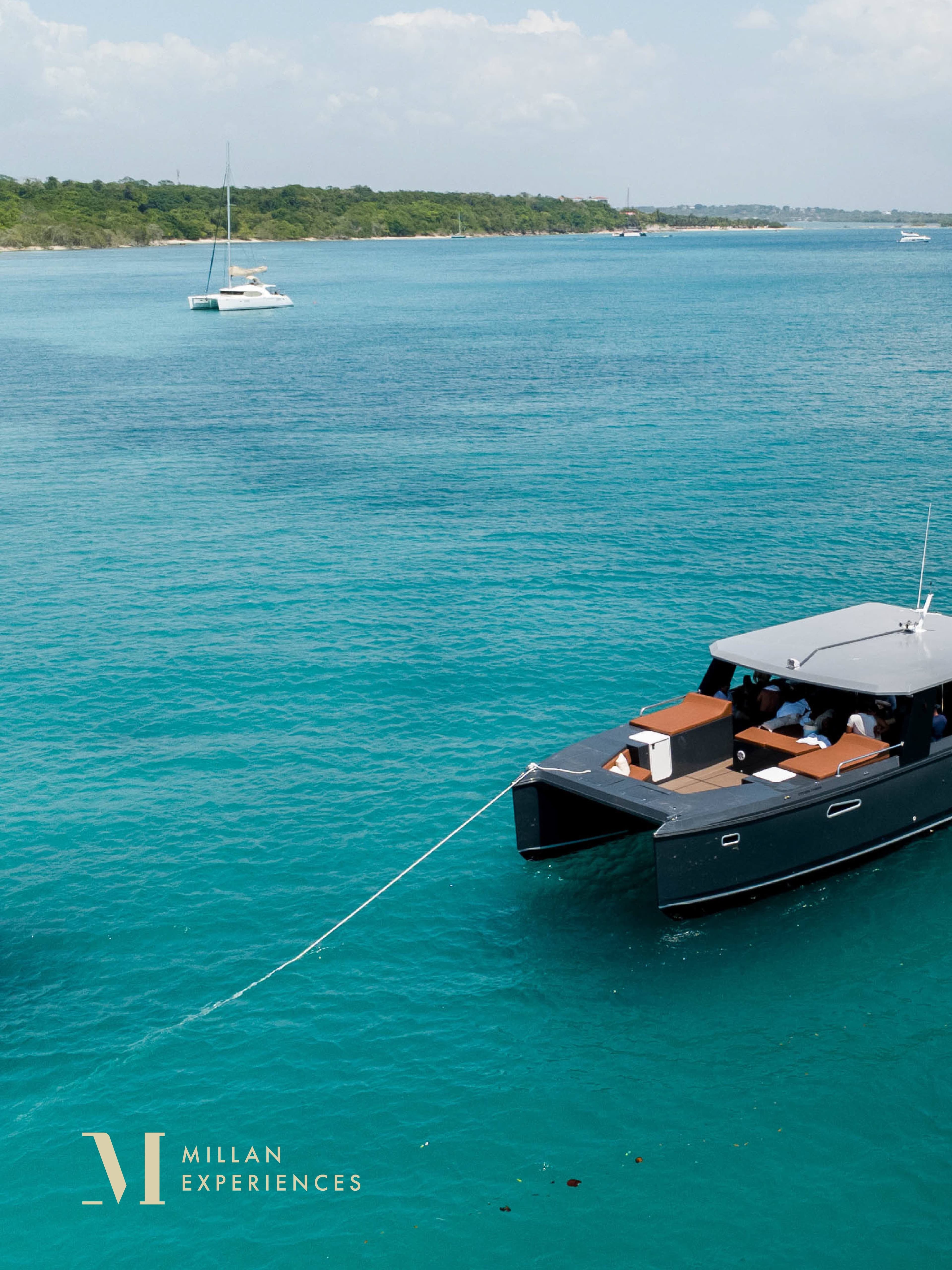
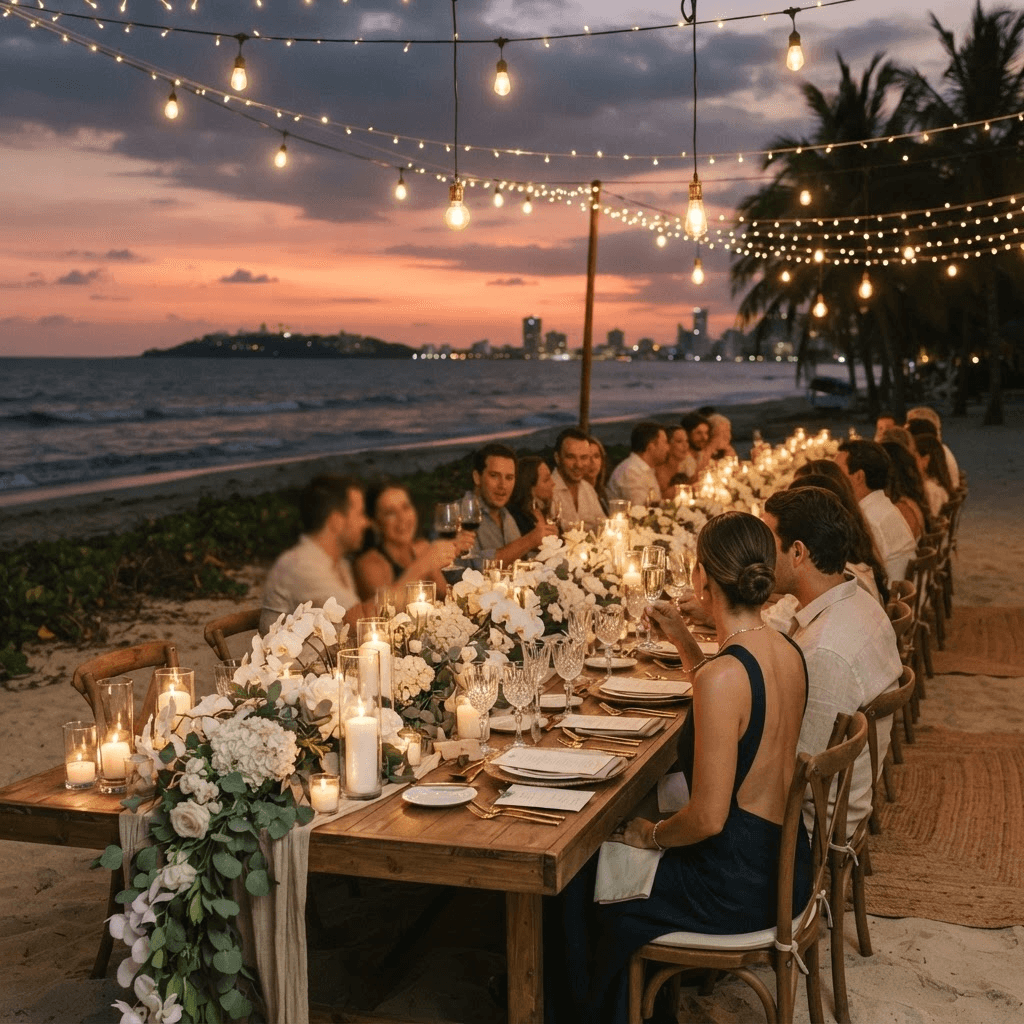
For barefoot elegance, beach venues on the coast and private islands in the Rosario archipelago offer ceremonies facing the Caribbean. Island weddings require careful logistics — guest transport by boat, timings around sea conditions and generator power — but the result is truly exclusive.
The best time of year to get married in Cartagena
December to April is the dry season and the most requested period for weddings, with sunny skies and pleasant breezes. May to November offers more availability and better value, with brief tropical showers that are usually manageable with good planning; October is typically the wettest month. Whatever the date, every outdoor event should have a Plan B — tents, covered terraces or an indoor alternative. Read more in the best time to visit Cartagena.
Legal requirements: civil, religious or symbolic ceremony
International couples have three main options. Requirements change and can vary by notary or parish, so always confirm current rules with your planner and local authorities before setting your date.
- Symbolic ceremony (most popular): you marry legally in your home country before or after the trip and celebrate a symbolic ceremony in Cartagena. No Colombian paperwork is needed, and you have total freedom over the format and officiant.
- Civil ceremony at a Colombian notary: foreigners can marry civilly in Colombia. Notaries typically request valid passports, recently issued birth certificates and proof of single status — apostilled and translated into Spanish by an official translator — and the process can take several weeks.
- Catholic ceremony: possible in Cartagena's historic churches, but it requires coordination between your home parish and the local diocese, and preparation should start many months in advance.
A 12-month planning timeline
- 12–18 months before: set the budget and guest count, choose the date, and secure the venue and your planner.
- 10–12 months: send save-the-dates, reserve guest accommodation and villas, and book photographer and videographer.
- 8–10 months: confirm catering, music, florist and décor concept; decide on the type of ceremony and start legal paperwork if needed.
- 6 months: send invitations with a travel guide for guests; plan welcome and farewell events.
- 3 months: final menu tasting, design details, transport and boat schedules, rain plan.
- 1 month: final guest list, seating plan, run-of-show and welcome bags.
Design a full weekend for your guests
Destination weddings are a gift of time from your guests, so the best ones feel like a curated holiday. A classic Cartagena wedding weekend includes welcome cocktails in the Walled City, a boat day to the islands, a rehearsal dinner, the wedding itself and a relaxed farewell brunch — sometimes on a private island. Add airport transfers, a guest concierge and welcome bags with local touches, and everyone arrives relaxed and leaves delighted.
Budget tips
- Guest count drives cost more than anything else: catering, transport and venue size scale with every invitation.
- Consider shoulder months (May, June, September or November) for better availability and value.
- Fridays and Sundays are often easier to book than Saturdays in peak season.
- Work with one coordinating planner to avoid duplicated vendor fees and logistics gaps.
Plan your Cartagena wedding with Millan Experiences
From the first venue visit to the last dance, our wedding team coordinates venues, vendors, guest travel, villas, boats and every detail of the weekend — with the calm, bilingual precision that lets you simply be present.